


How to Get Your Pool Truly Ready for the First Swim of the Year
There’s a difference between a pool that looks ready and a pool that actually is ready.
Every spring in places like Roseville and Rocklin, homeowners hit that first warm weekend and think, “Let’s open the pool.” The cover comes off, the water looks decent, and the system kicks on. It feels close enough.
Then someone jumps in and notices the water feels off. The flow isn’t strong. The pool clouds up faster than expected. Suddenly, what felt like a simple opening turns into a week of fixing things.
That happens because a proper pool opening is not just about turning everything on. It’s about getting the system back to full performance.

What a Smooth Pool Opening Actually Looks Like
There’s a moment every spring when pool owners across Northern California decide it’s time. The weather finally turns. The air feels warmer in the afternoon. Someone pulls back the pool cover, expecting that satisfying first look at clean, ready water.
Sometimes that’s exactly what they get.
Other times, the water looks slightly off. Not green, not obviously dirty, but not quite right either. The system runs, but maybe the pump sounds a little strained. The filter pressure creeps up faster than expected. The heater doesn’t kick on as smoothly as it should.

Why Early Spring Is When Pool Equipment Problems Start to Show
There’s a particular moment every spring when pool owners begin paying closer attention again. Maybe it’s the first warm Saturday in Roseville when someone pulls the cover back and lets the sunlight hit the water. Maybe it’s when the pump runs a little longer than usual and the system sounds slightly different than it did a few months ago.
What Happens When Your Pool Wakes Up for the Season
Every year in Northern California, there’s a moment when a pool that has been quietly circulating through the winter suddenly has to wake up again. It might be the first warm afternoon in Roseville when sunlight hits the water just right. It might be the first weekend someone decides it’s warm enough to sit by the pool. Either way, spring tends to reveal what winter has been hiding.
During the colder months, most pools run at a reduced pace. Pumps operate fewer hours, heaters stay off, and the system simply keeps water moving enough to stay stable. That lighter workload means small inefficiencies often go unnoticed.
Once temperatures begin climbing in March and April, everything changes.

What Your Pool Tells You When Swim Season Is Getting Close
Every spring in Northern California there’s a moment when pool owners realize the season is changing. It might be the first warm Saturday afternoon in Rocklin, or the first time someone pulls the cover back and lets sunlight hit the water again. What often surprises homeowners is how quickly small issues reveal themselves once the pool begins running more frequently.
Why Spring Is the Best Time to Check Your Pool Pump Before Heavy Use
When temperatures rise, pools typically run longer each day. More circulation is needed to keep water clear and balanced. As a result, the pump runs more often and pushes more water through the system.
This increase in workload can reveal hidden wear that wasn’t obvious during winter months.

Is Your Pool Actually Ready for Swim Season? What Early Spring Reveals
When the first warm weekend hit Roseville last year, the Martins pulled back their pool cover expecting clear water and smooth equipment startup. Instead, they found cloudy water, weak circulation, and a heater that wouldn’t fire up. Everything had “looked fine” during winter, but early spring exposed what had been building quietly for months.
As temperatures start rising in Northern California, early spring is when small pool issues finally show themselves.

Why February Is the Best Time to Check Pool Plumbing Before Spring
On a cool February morning in Loomis, a homeowner noticed a faint wet spot near the equipment pad. It hadn’t been there in the fall. The system was still running fine, and nothing looked urgent, but winter moisture and temperature swings had slowly loosened a small plumbing connection. Catching it early made for a simple fix. Waiting until spring would have meant a larger repair.
Late winter is one of the best times to check pool plumbing. With fewer temperature extremes and lighter pool use, small issues are easier to find and easier to fix.

Why Your Pool Gate and Fencing Should Be Checked Before Spring
In early February, Ryan in Granite Bay noticed his pool gate didn’t snap shut the way it used to. It still closed, but the latch felt loose. After months of winter rain and cooler temperatures, the hinge had shifted slightly. It wasn’t dramatic, but it was enough to matter.
Why Your Pool Equipment Pad Deserves Attention Before Spring
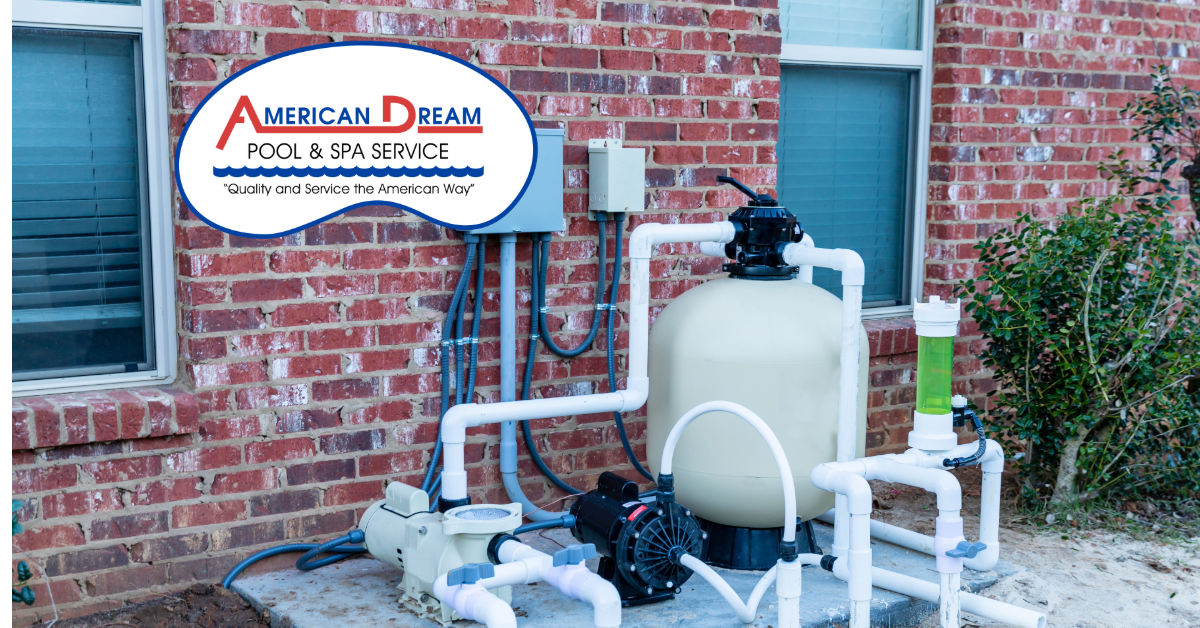
On a cool February morning in Roseville, Aaron walked past his pool equipment pad and heard a faint rattling sound. Everything was still running, so he assumed it could wait until spring. A few weeks later, a small loose fitting turned into a leak that required a longer repair.
The equipment pad is easy to ignore during winter, but late winter is one of the best times to check it. Catching small issues now keeps your pool running smoothly once warmer weather returns.

Why Winter Is the Right Time to Check Pool Lighting and Electrical Components
One evening in Roseville, Mark flipped on his pool lights and noticed one section looked dimmer than the rest. It still worked, so he ignored it. By the time spring rolled around and the pool was used more often, that small lighting issue turned into a full electrical repair that required scheduling during peak season.
February is one of the best months to check your pool’s lighting and electrical components. With less daily use and fewer scheduling conflicts, small fixes now can prevent bigger headaches later.
Why Your Pool Deck Matters More in Winter Than You Think
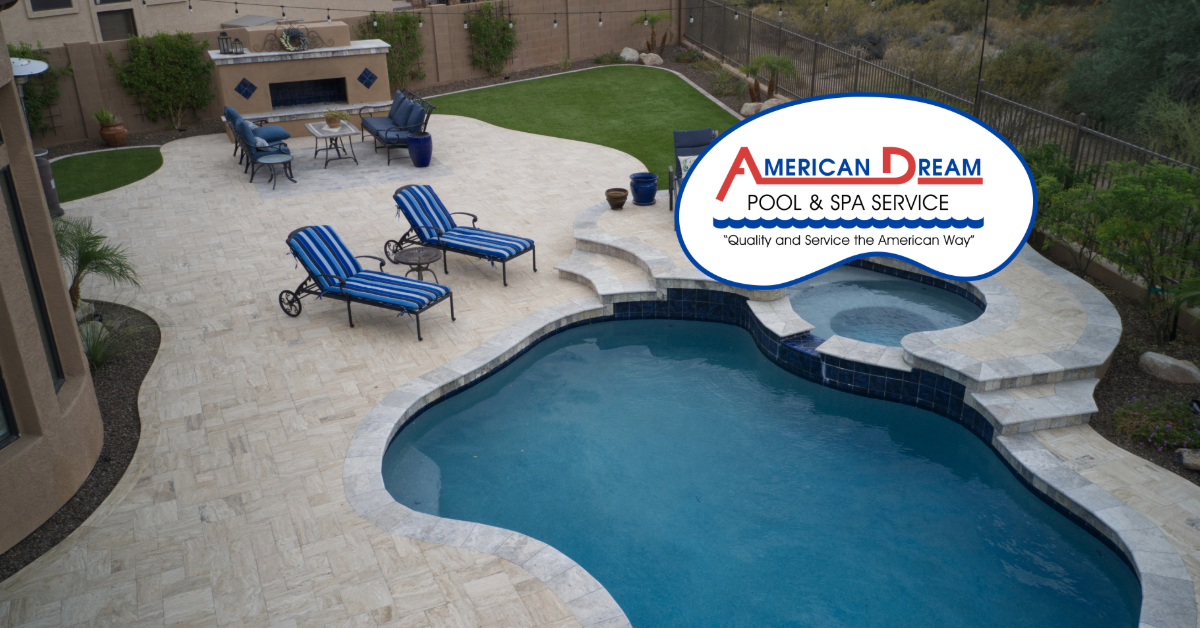
When Jason in Granite Bay walked across his pool deck after a stretch of rainy February weather, he noticed a faint wobble under one of the pavers. Nothing dramatic. The pool water looked fine, and the equipment was running normally. But that small shift in the deck turned out to be an early sign of drainage and settling issues that could have become much more serious by summer.
Most pool owners focus on water and equipment during winter. The pool deck rarely gets attention this time of year, even though winter weather is when deck problems often begin.

Why Winter Is the Best Time to Schedule Pool Equipment Upgrades
In early February, Chris in Granite Bay walked past his equipment pad and noticed how old everything looked. The pump still worked. The filter still ran. Nothing had failed yet. But he knew that once warm weather returned, scheduling repairs or upgrades would be harder and more expensive.
Winter is the least stressful time of year for pool equipment upgrades. With less demand and fewer emergencies, February gives pool owners a window to improve their systems before spring rush begins.

Why Your Pool Looks Clear but Still Isn’t Balanced in Winter
On a quiet January afternoon in Rocklin, Trevor glanced out at his pool and felt relieved. The water looked clear, calm, and perfectly fine. With no one swimming and the weather cool, he assumed everything was in good shape.
A week later, he noticed the steps felt slightly slick and the water didn’t have its usual sparkle. The pool looked clean, but the chemistry had slowly drifted out of balance. Winter often gives pools a “false healthy” look that can fool even attentive owners.
Why Pool Water Levels Drop in Winter (Even When Nothing Is Wrong)
When Daniel in Granite Bay checked his pool in January, he noticed the water level was lower than it had been a few weeks earlier. There hadn’t been any swimming, no visible leaks, and plenty of rain. Still, the water kept dropping. His first thought was a plumbing issue.
In many cases, winter water loss isn’t a leak at all. It’s a normal seasonal change that catches a lot of pool owners off guard.

What Happens If You Shut Your Pool Off Completely in Winter
When Kevin in Lincoln decided to shut his pool down for winter, it felt like the responsible move. No swimming, colder weather, fewer leaves—why keep the system running? He turned off the pump, left the cover on, and didn’t think about it again for weeks.
By February, the water smelled off, debris had settled everywhere, and the equipment struggled to restart. What seemed like a simple winter shortcut turned into a much bigger cleanup.
Completely shutting your pool off in winter sounds logical, but it often causes more problems than it prevents.

What Winter Storm Debris Does to Your Pool
After a January windstorm rolled through Roseville, Matt walked out back to check his pool. Most of the leaves were gone, the surface looked calm, and everything seemed fine. But a few days later, his pump sounded louder and the water lost its clarity. The storm was long gone—but its impact on the pool was just getting started.
Winter storms don’t end when the skies clear. Debris left behind can quietly damage your pool system if it isn’t handled properly.
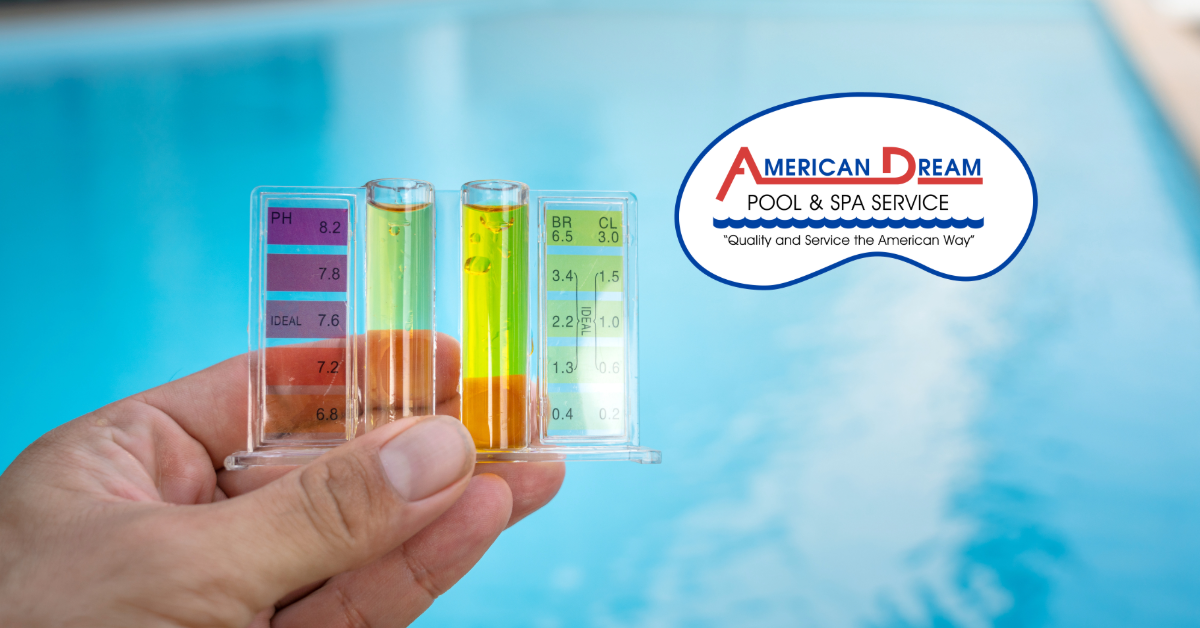
Why Pool Chemistry Gets Tricky in January
When Alex in Granite Bay tested his pool water in early January, the numbers looked close enough. The water was clear. The pump was running. Nothing seemed urgent. But a week later, the water started to dull, and the filter pressure crept up for no obvious reason.
January is when pool chemistry quietly drifts out of balance. Even when water looks fine, cold weather changes how chemicals behave—and small imbalances add up faster than most homeowners expect.
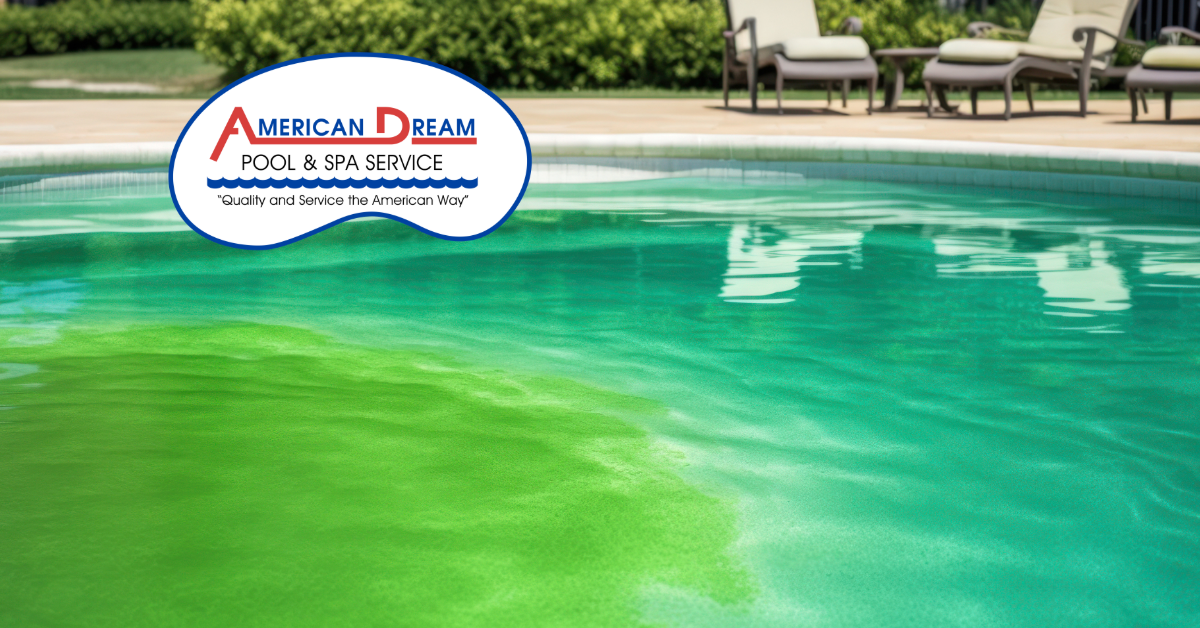
Why Algae Can Still Grow in Your Pool in January (Even When It’s Cold)
When Jason in Roseville pulled back his pool cover after a stretch of cloudy January days, he expected the water to look dormant. Instead, he noticed a faint green tint along the steps and walls. The pool hadn’t been used in weeks, so algae was the last thing on his mind.
Cold weather slows algae growth, but it doesn’t stop it. January is actually a common time for algae to quietly gain a foothold—especially in covered pools.
Why January Is the Easiest Time to Spot Pool Leaks
When Hannah in Granite Bay walked past her pool after a week of cold nights and light rain, she noticed the waterline looked just a bit lower than usual. Not dramatic. Not alarming. But it hadn’t been windy, and no one had used the pool. That small change was the first clue something wasn’t right.
January is one of the best months to catch pool leaks early. With less evaporation, lower temperatures, and fewer disturbances, water loss becomes easier to notice. What looks minor now can turn into a major repair by spring if it goes unchecked.