Why Pool Chemistry Gets Tricky in January
When Alex in Granite Bay tested his pool water in early January, the numbers looked close enough. The water was clear. The pump was running. Nothing seemed urgent. But a week later, the water started to dull, and the filter pressure crept up for no obvious reason.
January is when pool chemistry quietly drifts out of balance. Even when water looks fine, cold weather changes how chemicals behave—and small imbalances add up faster than most homeowners expect.
How Cold Weather Changes Pool Chemistry
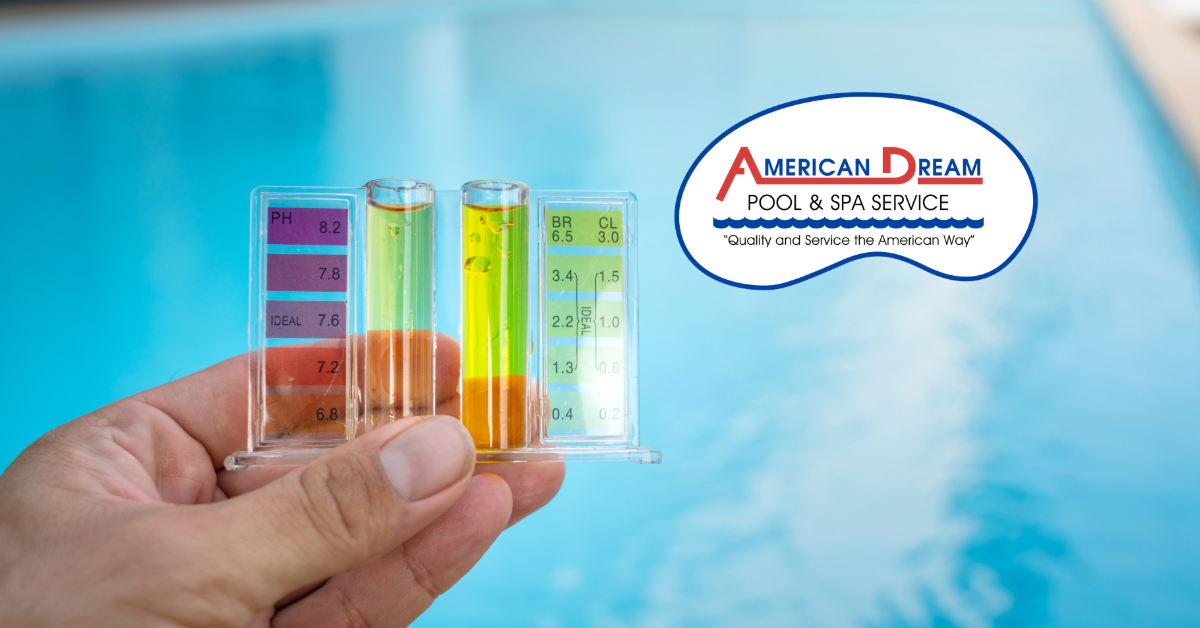
Lower water temperatures slow chemical reactions. Chlorine works differently in cold water, and stabilizer, pH, and sanitizer levels don’t distribute as evenly when circulation drops.
Shorter pump run times and fewer manual checks mean water can fall out of balance without obvious warning signs.
Why Clear Water Can Still Be a Problem
Clear water doesn’t always mean healthy water. In January, water can look clean while chemistry slowly drifts.
This often leads to:
Weak sanitizer levels
Rising pH over time
Minerals settling instead of filtering
Early algae growth under covers
Increased filter pressure
By the time the water looks off, the problem has already been building.
The Most Common January Chemistry Issues
During winter months, pools often struggle with:
Sanitizer dropping too low between checks
pH creeping upward
Poor chemical circulation
Debris breaking down and affecting balance
Calcium settling instead of staying suspended
These issues rarely cause immediate green water—but they create spring headaches.
Why Ignoring Winter Chemistry Makes Spring Harder
When chemistry drifts all winter, spring startup becomes harder and more expensive. Filters clog faster, algae wakes up quickly, and chemical corrections take longer.
Pools that stay balanced through January open faster, need fewer chemicals, and avoid early-season stress.
How to Keep Chemistry Stable in January
A few habits go a long way.
Test water regularly, even in winter.
Maintain enough pump run time for circulation.
Brush walls and steps occasionally.
Clean filters before pressure rises too high.
Remove debris before it breaks down.
Consistency matters more than frequency.
Setting Your Pool Up for a Smooth Spring
Alex adjusted his winter testing schedule and cleaned his filter earlier than usual. His water stayed balanced, and spring startup took far less effort than years before.
American Dream Pool & Spa Service helps homeowners in Lincoln, Rocklin, Roseville, Granite Bay, Sheridan, Loomis, and Penryn manage winter pool chemistry before it turns into spring problems. January is the best time to stay steady and avoid surprises.