

Pool Goals for 2026: How to Start the Year With Cleaner Water and Fewer Repairs
When Ryan in Roseville looked back on his pool last year, he realized most of his problems came from the same thing—waiting too long. He waited to clean the filter. Waited to fix a small leak. Waited to call for help until the water looked bad. As 2026 rolled in, he decided this would be the year his pool stopped surprising him.
Setting pool goals for the new year isn’t about doing more work. It’s about doing the right things early so your pool stays clear, reliable, and ready whenever you want to use it.
How Falling Leaves Can Quietly Clog Your Pool
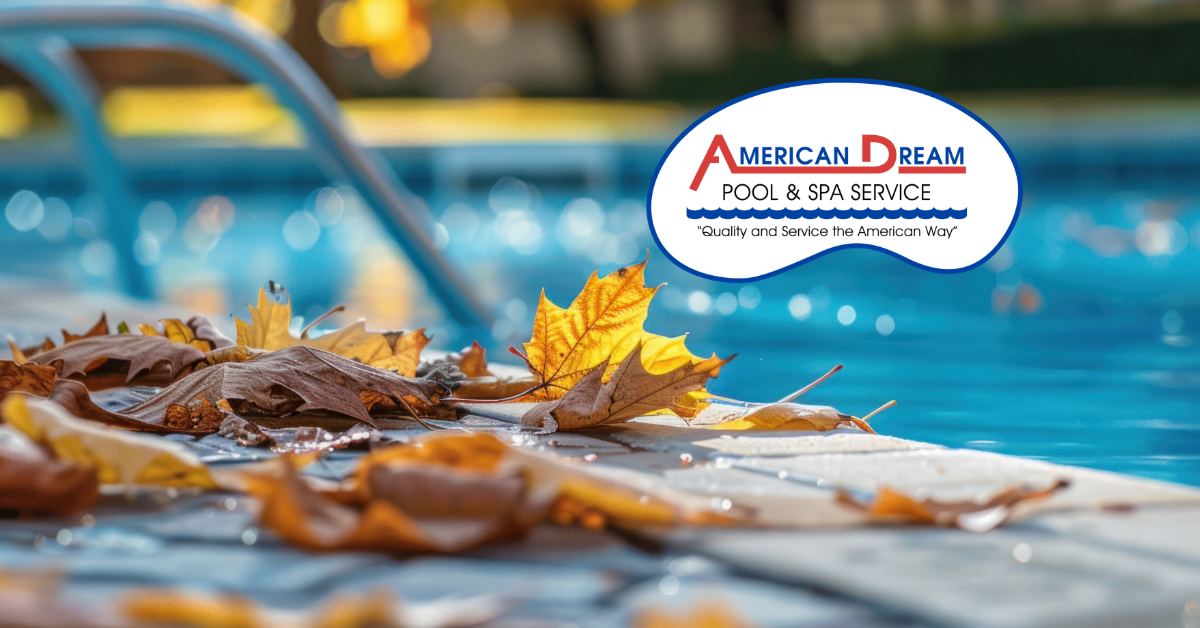
When Mark in Rocklin stepped outside after a windy fall weekend, his pool looked fine at first glance. A few leaves floated near the edge, nothing unusual. But when he checked the skimmer basket, it was packed tight. The pump sounded strained, and the return jets barely moved water. What looked like a small leaf problem had already started clogging the system.
Leaves are one of the biggest threats to pool health in Northern California, especially during seasonal wind and tree drop. They don’t just float—they break down, sink, and work their way into places you don’t see.
Why Your Pool Pump Sounds Louder in Winter
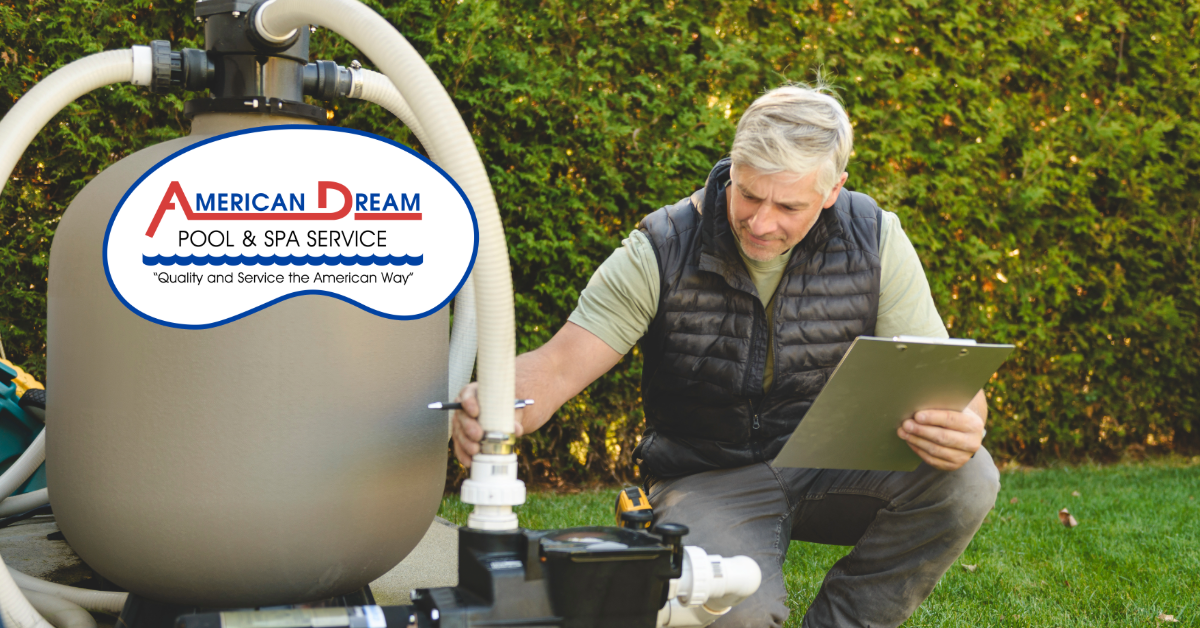
When Brian in Roseville stepped outside one quiet winter morning, he noticed something unusual. His pool pump was running, but it sounded louder than it did in the summer. Not broken. Not grinding. Just louder. Since the pool wasn’t being used, he figured it could wait until spring.
That louder sound was his pump’s way of saying it was under stress. Winter changes how pool systems behave, and sound is often the first warning sign.
Why Cold Nights Can Quietly Damage Your Pool Equipment
When Jason in Granite Bay walked outside one crisp January morning, he noticed the pool looked fine—but the equipment pad told a different story. A faint puddle had formed under one valve, and the pump sounded just a little rougher than usual. Nothing dramatic. Nothing urgent. Or so he thought.
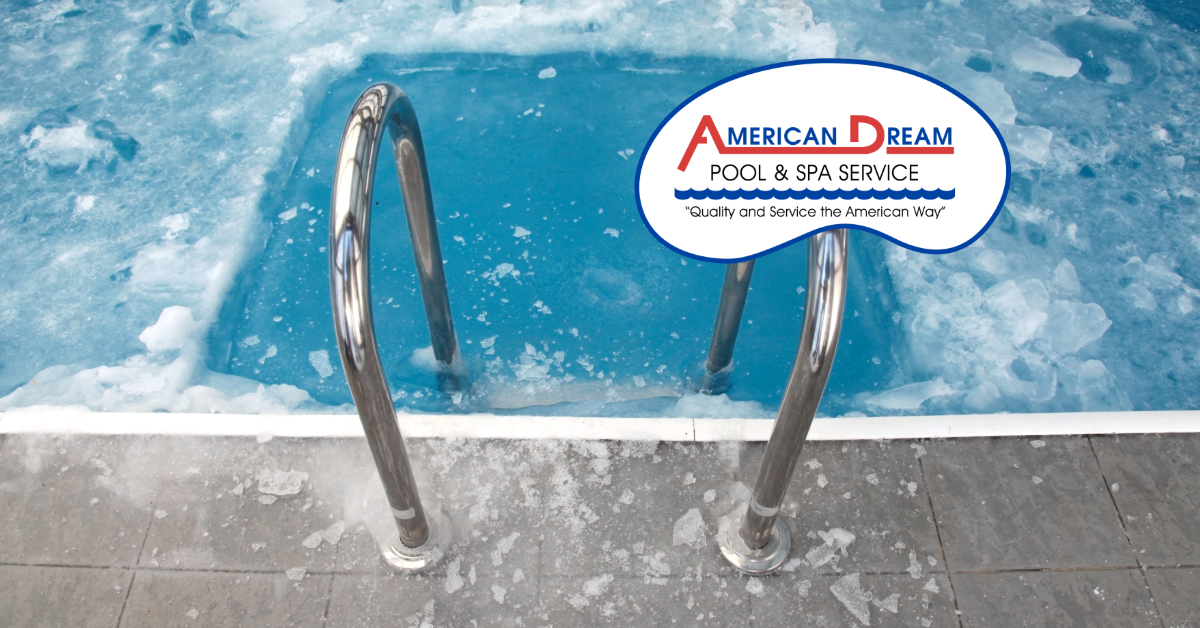
Cold nights in Northern California don’t always freeze pools, but they do create quiet stress on pool equipment. Valves, seals, and fittings feel temperature changes first, and the damage often starts small before turning into spring repair bills.
Why Winter Is the Worst Time to Ignore Your Pool’s Water Level
When Chris in Lincoln walked past his pool after a long week of rain, something looked off. The water line sat lower than he remembered, but it was winter, so he brushed it off. Two weeks later, the pump started pulling in air, making a loud slurping noise that echoed across the yard. What he didn’t realize was that his water level had slowly dropped just enough to cause a bigger problem.
Winter is one of the easiest times to lose track of your pool’s water level. With fewer swims and less time spent outside, small changes go unnoticed. But ignoring your pool’s water level during colder months can lead to equipment damage, air leaks, and a messy spring restart.
The Winter Problem in Your Pool’s Plumbing Lines
When Olivia in Granite Bay walked outside one cold February morning, she heard her pool pump making a soft sucking sound. The water level seemed fine, the pump was running, but something didn’t feel right. When she bent down closer, the return jets were barely moving water.
She assumed it was just winter sluggishness—until her technician found the real issue: her pool’s plumbing lines had collected air and debris over the winter, slowing flow in ways she couldn’t see.
It’s a common winter problem. Pool plumbing doesn’t get the same attention as filters and baskets, but it’s one of the first parts of your system to feel winter stress.
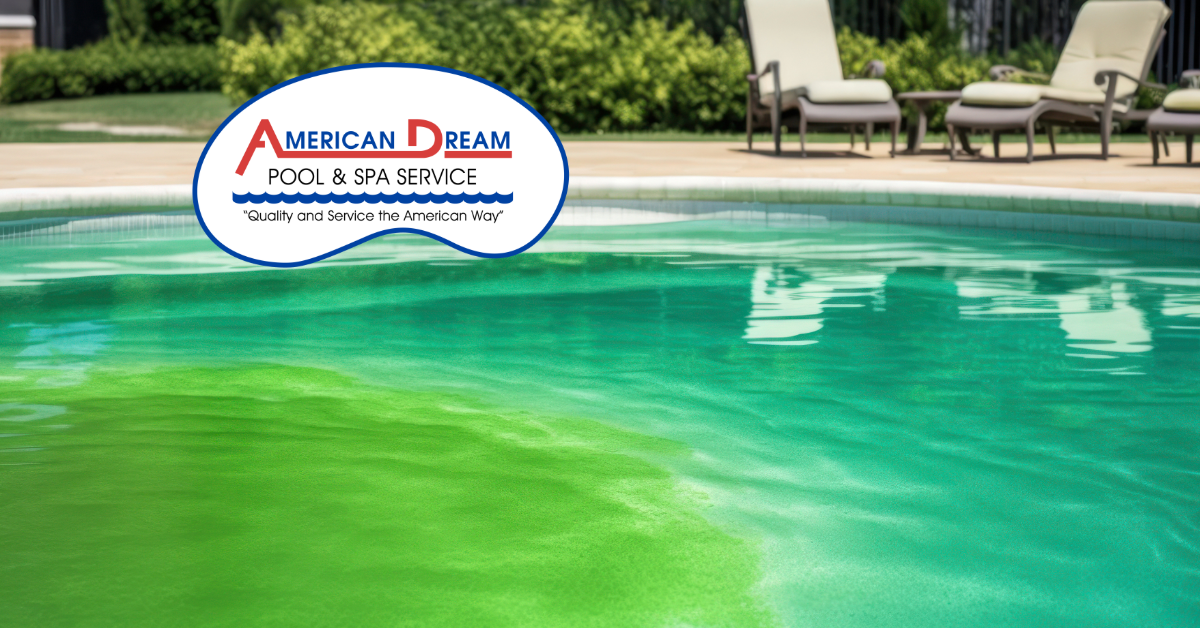
The Winter Algae Surprise: Why It Shows Up Even When Nobody’s Swimming
When Nora in Rocklin lifted her pool cover on a chilly morning in January, she expected clear water. Instead, she saw a faint green tint along the walls. She blinked, looked again, and said the words most pool owners don’t want to say out loud: “How is there algae in winter?”
Winter algae feels sneaky because the water is cold and the pool gets little sunlight. But even in cold weather, algae can grow if the conditions line up just right.

The Winter Filter Problem That Sneaks Up on Pool Owners
When Abby in Loomis turned on her pool pump after a windy January weekend, she noticed the water returning to the pool looked weaker than usual. The pump sounded normal, but the flow wasn’t the same. She didn’t think much of it… until the next morning, when her pool looked slightly cloudy even though no one had been swimming in weeks.
Winter brings a sneaky filter problem that many Northern California pool owners don’t catch until spring: slow filter clogging. Cold months might feel quiet, but filters often get packed faster in winter than in summer.

Why You Should Check Your Pool Lights This Winter
When Matt in Roseville turned on his backyard lights during a cold December evening, he noticed something odd. The pool lights didn’t glow the way they used to. One flickered, another looked dim, and one didn’t turn on at all. Since nobody had been swimming for weeks, he hadn’t checked them in a while.
What he didn’t realize was that winter is one of the best times to check your pool lights, because cold weather often reveals problems before spring arrives. Pool lights work hard all summer, and winter is when small issues finally show themselves.

What Happens When You Don’t Clean Your Pool Filter in Winter
When Lucas in Roseville finally checked his pool equipment after weeks of cold weather, he noticed something strange. His pump was running, but the water barely moved. The pressure gauge on the filter was higher than normal, and the water in his pool looked tired and dull. He didn’t think winter required much pool care, so he hadn’t cleaned the filter since early fall.
By the time he opened the filter, he found a brick-like layer of leaves, dirt, and winter dust packed tight inside. That one small oversight ended up affecting his entire pool system.
Many Northern California homeowners don’t realize it: your pool filter needs attention even in winter.

The Winter Wind Problem Nobody Talks About
When Carla in Granite Bay woke up to a yard full of branches after a windy night, she wasn’t surprised. But when she walked over to the pool, she saw something worse—a pile of pine needles packed into the skimmer so tight that water wasn’t moving at all. The pump was still running, but the pool looked like it hadn’t taken a breath in hours.
Winter windstorms in Northern California create one of the most overlooked pool problems: wind-driven debris that clogs your system, strains your equipment, and throws off your water balance long before swimming season returns.
Why Your Pool Loses Water in Winter
When Julie in Sheridan walked outside one chilly morning, she noticed the pool water sitting lower than usual. At first she thought she imagined it, but the next week it dropped even more. Since nobody had been swimming and it wasn’t hot outside, she wasn’t sure how the water disappeared. It wasn’t evaporation season, and nothing looked obviously wrong.
Winter water loss is a real thing in Northern California—and it confuses a lot of homeowners. When it’s cold, quiet, and nobody is using the pool, dropping water levels often go unnoticed until the problem becomes big enough to see.

Why Your Pool Water Gets Cloudy in Winter
When Rachel in Loomis glanced outside one chilly morning, she noticed her pool looked… off. The water wasn’t green, but it wasn’t clear either. It almost looked like someone poured a glass of milk into the deep end. Since nobody had been swimming for weeks, she figured it was nothing serious. But by the next weekend, the cloudiness had spread, and the water looked tired and dull.
Cloudy winter water happens more often than most Northern California homeowners think. Even when nobody’s swimming, your pool can still turn cloudy during cooler months—and if you don’t catch it early, it becomes a stubborn problem by spring.
The Surprising Winter Problem That Can Damage Your Pool
When Adam in Penryn walked outside one cold December morning, he noticed the pool water wasn’t moving. The pump was running, but the surface looked still, almost like glass. He shrugged it off and went back inside. Two days later, he found the water level had dropped nearly four inches, and his skimmer basket looked like it had been chewed up.
He didn’t know it yet, but winter debris had created a hidden blockage that slowly strained his circulation system until it cracked a part he couldn’t see. What he thought was “normal winter slowdown” was actually early warning signs of a winter blockage—something many Northern California pool owners overlook.

Why You Shouldn’t Ignore Your Pool in Winter
When Dan in Rocklin decided to “take the winter off” from pool care, he figured a few months of still water wouldn’t hurt. He tossed on a cover, turned off the pump, and walked away. By spring, his pool looked more like a pond—complete with leaves, algae, and one very confident frog. What started as a break turned into a full-blown green disaster.
It’s tempting to forget about your pool when the temperatures drop, but ignoring it in winter can cause more damage than you might expect. Even though you’re not swimming, your pool still needs attention. With a little winter care, you can avoid expensive repairs, cloudy water, and a spring cleanup you’ll regret.

How to Plan for Cold-Weather Swimming in Northern California
When Marcy in Roseville told her neighbors she was still swimming in December, they thought she’d lost it. But there she was, gliding across warm blue water while everyone else was unpacking Christmas lights. The secret wasn’t superhuman tolerance—it was planning. Marcy kept her pool open through winter with a little heat, proper maintenance, and the right routine.
Here in Northern California, winter doesn’t always mean packing up the pool toys for months. With mild temperatures and the right setup, many homeowners can enjoy their pools all year long. The trick is knowing how to prepare, protect, and maintain your pool during cooler months without wasting energy—or shocking your utility bill.
Should You Run Your Pool Pump in Winter?
When Kelly moved to Roseville, she figured pool season ended when the leaves started to fall. So she turned off her pool pump and let the water sit still for months. By March, her pool looked like a swampy science experiment—green water, clogged filters, and a repair bill that made her wish she’d kept the pump running.
Many Northern California homeowners wonder whether they should run their pool pump in winter. It’s cooler outside, nobody’s swimming, and energy bills matter. So what’s the right move?

Is It Time to Resurface Your Pool? Signs Your Plaster or Pebble Is Failing
When Mike first bought his home in Rocklin, the backyard pool was the crown jewel of the property. Smooth blue plaster, perfect water clarity, and that satisfying feeling of walking barefoot along the edge without a scratch. But fast-forward six years—and the pool started to show its age. The once-smooth surface had turned rough. A few hairline cracks appeared. Then came the discoloration, and finally, those tiny bits of plaster that began to flake off and collect in the skimmer. Mike tried brushing, chemical balancing, and even “miracle” products he found online. But the truth was clear: it was time to resurface.
Many pool owners across Northern California—whether in Roseville, Granite Bay, or right here in Lincoln—reach this point eventually. Pool plaster and pebble finishes don’t last forever. Sun, chemicals, and time take their toll. Knowing when it’s time to resurface (and what comes next) can save you from bigger headaches later.

Robotic Pool Cleaners vs. Suction and Pressure Cleaners
When Victor in Lincoln bought his house, the pool came with an old suction cleaner that just wandered around, getting stuck on the steps and leaving a dirt ring in the shallow end. After one windy weekend and a whole lot of oak leaves, he decided to upgrade. His neighbor in Rocklin swore by a robotic cleaner. His brother in Roseville said pressure-side was the way to go. Three different pool owners, three different answers. So which cleaner actually makes sense for pools in our area?
The truth is, Northern California pools don’t all collect the same kind of debris. Some backyards get tons of leaves. Some get dust and pollen. Some get party traffic and dog hair. That’s why the best cleaner for you isn’t always the cheapest one—it’s the one that matches your yard, your equipment, and how much you want to mess with maintenance.
Let’s break down the three main types in real-world language so you can pick one that actually keeps the pool clean without you babysitting it.

Why Your Pool Tile Turns White
When Marco in Roseville first saw the white line forming along the waterline of his pool, he thought it was just dirt. He grabbed a brush, scrubbed for five minutes, and… nothing. A week later, the line was thicker. By the end of the month, the tile on the sunny side of the pool looked chalky, and the spillway from his raised spa had hard, crusty buildup. That’s when he realized it wasn’t dirt. It was scale.
If you live in Lincoln, Rocklin, Granite Bay, Loomis, or anywhere in Northern California where the water runs a little hard, calcium scale is something you will deal with sooner or later. The good news is it’s normal. The bad news is, if you ignore it, it can stain tile, ruin a pretty waterline, clog salt cells, and make your pool look older than it is.
This guide explains what calcium scale is, why it shows up faster in our area, and what you can do to prevent it without draining your pool every time.