When Jason in Granite Bay walked outside one crisp January morning, he noticed the pool looked fine—but the equipment pad told a different story. A faint puddle had formed under one valve, and the pump sounded just a little rougher than usual. Nothing dramatic. Nothing urgent. Or so he thought.
Cold nights in Northern California don’t always freeze pools, but they do create quiet stress on pool equipment. Valves, seals, and fittings feel temperature changes first, and the damage often starts small before turning into spring repair bills.
How Cold Temperatures Affect Pool Equipment
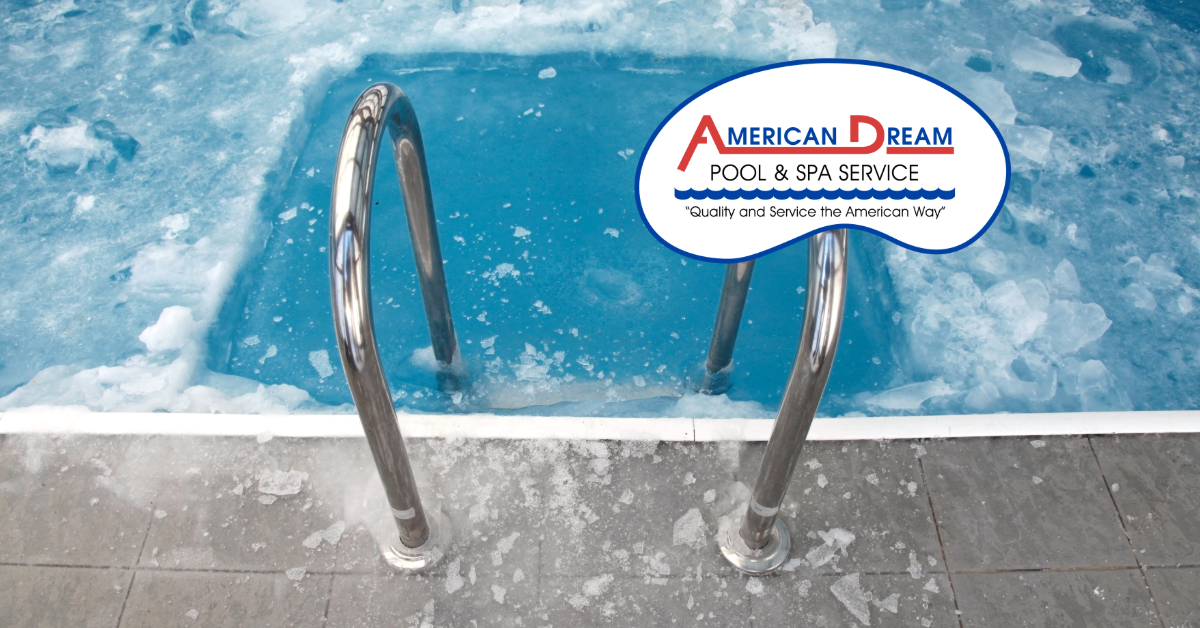
Even when daytime temperatures feel mild, overnight cold causes materials to contract. Plastic fittings tighten, rubber seals shrink, and metal components cool quickly. When temperatures rise again, everything expands back out.
That constant tightening and loosening puts stress on:
Pump seals
Valve connections
Unions
Heater fittings
Filter clamps
Over time, small gaps form where water slowly escapes.
Why Winter Leaks Are Easy to Miss
Winter leaks rarely spray or gush. Instead, they drip just enough to dampen the ground or leave a small water stain. Because evaporation is lower in winter, moisture lingers longer—but many homeowners don’t notice because they aren’t outside as often.
By the time spring arrives, that small leak may have already damaged seals or weakened nearby components.
Signs Cold Weather Is Affecting Your Equipment
Watch for subtle changes like:
Damp soil near the pump pad
White mineral buildup on fittings
Air bubbles in the pump basket
Reduced water flow
Equipment that sounds louder than usual
These are early warning signs that winter stress is taking a toll.
Why Ignoring Small Leaks Gets Expensive
A slow winter leak can pull air into the system, forcing the pump to work harder. That strain shortens motor life and can cause overheating. Leaks near heaters are especially risky, since moisture and electrical components do not mix well.
Fixing a seal or fitting in winter is far cheaper than replacing a pump or heater in spring.
How to Protect Your Equipment During Cold Nights
A few simple habits help keep equipment healthy.
Check the equipment pad weekly, especially after cold nights.
Keep fittings tight but not overtightened.
Run the pump daily to keep water moving.
Watch pressure gauges for sudden changes.
Call a professional if moisture keeps returning.
Winter checks take minutes but prevent weeks of repair later.
Why Winter Is the Best Time for Equipment Fixes
Because pools see less use in winter, repairs are quicker and less disruptive. Parts are easier to schedule, and small fixes now prevent delays when warm weather returns.
Jason replaced a shrinking valve seal in January. By spring, his system was quiet, dry, and ready to go.
American Dream Pool & Spa Service helps homeowners in Lincoln, Rocklin, Roseville, Granite Bay, Sheridan, Loomis, and Penryn protect pool equipment year-round. If you notice leaks, strange sounds, or damp spots near your system this winter, our team can help fix the problem before it grows.