

The Surprising Winter Problem That Can Damage Your Pool
When Adam in Penryn walked outside one cold December morning, he noticed the pool water wasn’t moving. The pump was running, but the surface looked still, almost like glass. He shrugged it off and went back inside. Two days later, he found the water level had dropped nearly four inches, and his skimmer basket looked like it had been chewed up.
He didn’t know it yet, but winter debris had created a hidden blockage that slowly strained his circulation system until it cracked a part he couldn’t see. What he thought was “normal winter slowdown” was actually early warning signs of a winter blockage—something many Northern California pool owners overlook.

Why You Shouldn’t Ignore Your Pool in Winter
When Dan in Rocklin decided to “take the winter off” from pool care, he figured a few months of still water wouldn’t hurt. He tossed on a cover, turned off the pump, and walked away. By spring, his pool looked more like a pond—complete with leaves, algae, and one very confident frog. What started as a break turned into a full-blown green disaster.
It’s tempting to forget about your pool when the temperatures drop, but ignoring it in winter can cause more damage than you might expect. Even though you’re not swimming, your pool still needs attention. With a little winter care, you can avoid expensive repairs, cloudy water, and a spring cleanup you’ll regret.

How to Plan for Cold-Weather Swimming in Northern California
When Marcy in Roseville told her neighbors she was still swimming in December, they thought she’d lost it. But there she was, gliding across warm blue water while everyone else was unpacking Christmas lights. The secret wasn’t superhuman tolerance—it was planning. Marcy kept her pool open through winter with a little heat, proper maintenance, and the right routine.
Here in Northern California, winter doesn’t always mean packing up the pool toys for months. With mild temperatures and the right setup, many homeowners can enjoy their pools all year long. The trick is knowing how to prepare, protect, and maintain your pool during cooler months without wasting energy—or shocking your utility bill.
Should You Run Your Pool Pump in Winter?
When Kelly moved to Roseville, she figured pool season ended when the leaves started to fall. So she turned off her pool pump and let the water sit still for months. By March, her pool looked like a swampy science experiment—green water, clogged filters, and a repair bill that made her wish she’d kept the pump running.
Many Northern California homeowners wonder whether they should run their pool pump in winter. It’s cooler outside, nobody’s swimming, and energy bills matter. So what’s the right move?
Is It Time to Resurface Your Pool? Signs Your Plaster or Pebble Is Failing
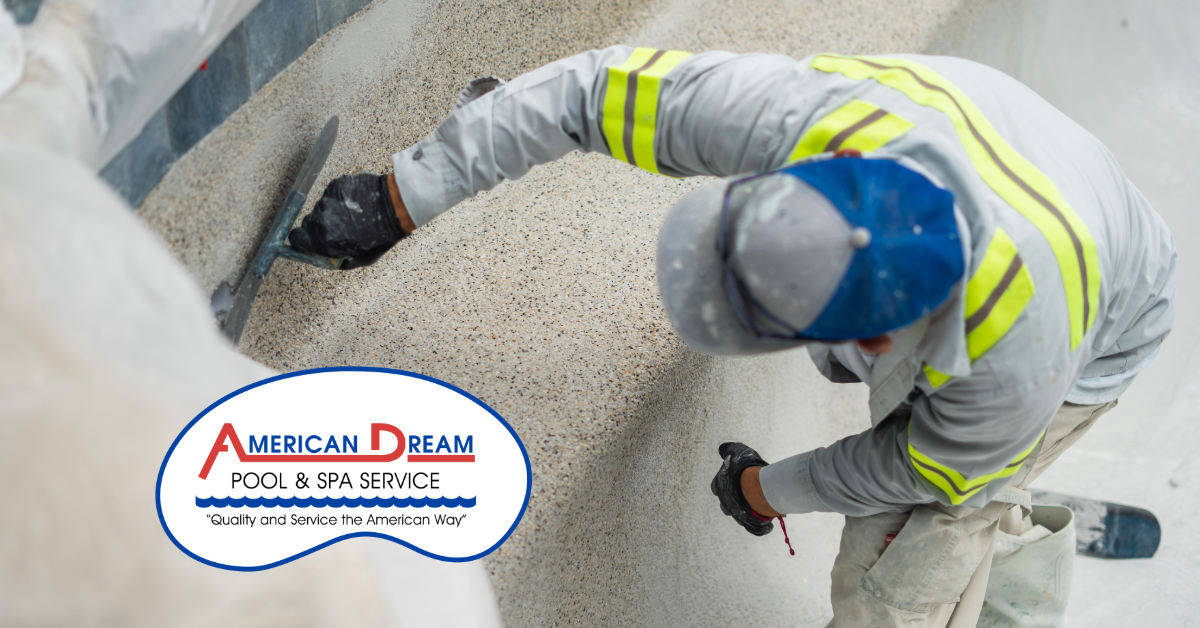
When Mike first bought his home in Rocklin, the backyard pool was the crown jewel of the property. Smooth blue plaster, perfect water clarity, and that satisfying feeling of walking barefoot along the edge without a scratch. But fast-forward six years—and the pool started to show its age. The once-smooth surface had turned rough. A few hairline cracks appeared. Then came the discoloration, and finally, those tiny bits of plaster that began to flake off and collect in the skimmer. Mike tried brushing, chemical balancing, and even “miracle” products he found online. But the truth was clear: it was time to resurface.
Many pool owners across Northern California—whether in Roseville, Granite Bay, or right here in Lincoln—reach this point eventually. Pool plaster and pebble finishes don’t last forever. Sun, chemicals, and time take their toll. Knowing when it’s time to resurface (and what comes next) can save you from bigger headaches later.

Robotic Pool Cleaners vs. Suction and Pressure Cleaners
When Victor in Lincoln bought his house, the pool came with an old suction cleaner that just wandered around, getting stuck on the steps and leaving a dirt ring in the shallow end. After one windy weekend and a whole lot of oak leaves, he decided to upgrade. His neighbor in Rocklin swore by a robotic cleaner. His brother in Roseville said pressure-side was the way to go. Three different pool owners, three different answers. So which cleaner actually makes sense for pools in our area?
The truth is, Northern California pools don’t all collect the same kind of debris. Some backyards get tons of leaves. Some get dust and pollen. Some get party traffic and dog hair. That’s why the best cleaner for you isn’t always the cheapest one—it’s the one that matches your yard, your equipment, and how much you want to mess with maintenance.
Let’s break down the three main types in real-world language so you can pick one that actually keeps the pool clean without you babysitting it.

Why Your Pool Tile Turns White
When Marco in Roseville first saw the white line forming along the waterline of his pool, he thought it was just dirt. He grabbed a brush, scrubbed for five minutes, and… nothing. A week later, the line was thicker. By the end of the month, the tile on the sunny side of the pool looked chalky, and the spillway from his raised spa had hard, crusty buildup. That’s when he realized it wasn’t dirt. It was scale.
If you live in Lincoln, Rocklin, Granite Bay, Loomis, or anywhere in Northern California where the water runs a little hard, calcium scale is something you will deal with sooner or later. The good news is it’s normal. The bad news is, if you ignore it, it can stain tile, ruin a pretty waterline, clog salt cells, and make your pool look older than it is.
This guide explains what calcium scale is, why it shows up faster in our area, and what you can do to prevent it without draining your pool every time.
Pool Automation 101 in Northern California: What Smart Controllers Actually Do
When Priya moved into her home in Roseville, the pool equipment pad looked like a spaceship. Old timers, a tangle of wires, and valves she was afraid to touch. Every weekend felt like guesswork: run the pump longer, turn on the heater, set the lights for a backyard hangout—and hope nothing tripped the breaker. Her neighbor mentioned “pool automation” and showed an app that handled everything from schedules to spa heat-ups. Priya was sold—until she started shopping and hit a wall of jargon.
If you live in Lincoln, Rocklin, Granite Bay, Loomis, or Sheridan, smart pool automation can make pool care simpler, safer, and cheaper. But not all systems are the same, and the wrong setup can waste money. Here’s how automation really works, what it can control, and how to choose a system that fits your pool and your lifestyle in Northern California.

Saltwater vs. Chlorine Pools in Northern California: Pros, Cons, and Whether a Conversion Makes Sense
When Dani and Chris bought their home in Rocklin, they inherited a classic chlorine pool. By the first summer, they were curious about saltwater. Friends swore it felt better on skin, smelled less “pool-y,” and cost less to maintain. But a neighbor warned them that salt can be rough on stone and metal. They were stuck between two good options—and a lot of mixed advice.
If you live in Lincoln, Roseville, Granite Bay, Loomis, or Sheridan, you’ve probably heard the salt vs. chlorine debate. The truth is both systems use chlorine to sanitize water; they just deliver it differently. Understanding how each works, what it costs over time, and how Northern California conditions affect your choice will help you decide whether to keep what you’ve got or convert.

Should You Keep Running Your Pool Pump Through Fall in Northern California?
When Lisa from Roseville checked her energy bill last October, she nearly spilled her coffee. “How on earth did my pool use that much power?” she muttered, scrolling through her usage report. The culprit: her pool pump, running just as long as it did in July. She’d figured, “If it’s clean in summer, it’ll stay clean in fall.” But by November, she was battling algae, cloudy water, and a clogged filter.
In Northern California, as the weather cools and swim time winds down, many homeowners wonder the same thing Lisa did — should you keep your pool pump running full time through fall, or can you cut back? The answer depends on your pool type, your equipment, and how much you want to spend fixing problems that could’ve been prevented.

What to Know Before Adding a Pool Heater in Northern California
When the Martin family in Rocklin built their pool, they figured they’d only use it from May through early September. But after their first year, they realized those brisk fall mornings and early-spring afternoons left their pool sitting unused for half the year. So, they decided to install a pool heater—something they thought would be simple.
They quickly learned there’s more to it than plugging in a system and setting the temperature. Between choosing the right heater type, factoring in gas or electric needs, and calculating long-term costs, adding a pool heater takes careful planning. Done right, it extends your swim season and saves energy. Done wrong, it can turn into an expensive headache.
Here’s what Northern California homeowners should think through before heating things up.

Why You Shouldn’t Ignore Early Signs of Pool Stains
When Marisa from Loomis first noticed a light brown ring forming around the steps of her pool, she thought it was just dirt. A quick scrub didn’t fix it, but she figured it wasn’t worth worrying about. By the next month, the stain had darkened, spread across the shallow end, and wouldn’t budge—no matter how much she brushed.
What started as a small discoloration turned into an expensive problem that required a full acid wash and chemical treatment. Pool stains don’t just make your water look dirty—they can damage surfaces, affect water chemistry, and lower your pool’s lifespan.
If you’re a Northern California pool owner, learning what causes stains (and how to prevent them) can save you hundreds in repairs down the road.

Can Cooler Nights Damage Your Pool?
In late October, the nights in Granite Bay start getting chilly, and pool owners like Melissa breathe a sigh of relief. The summer rush is over, the pool parties are done, and she figures her pool can finally “rest” for the season. But by mid-November, Melissa notices her water level dropping faster than usual, and her pool pump making a strange sound. What she thought was the start of a quiet off-season turns into a stressful—and expensive—call for repairs.
As temperatures dip across Northern California, pools face new challenges. Cooler nights can affect water chemistry, equipment health, and energy use in ways most homeowners don’t expect. Let’s look at what happens to your pool when the weather turns cold—and what to do about it.

How Cooler Weather Affects Your Pool in Northern California
In early October, the air in Rocklin starts to change. Mornings are crisp, evenings are cool, and swimming days get shorter. Jason figured his pool in Lincoln didn’t need much attention once the thermometer dropped below 70. He cut his pump time in half and skipped a few cleanings. By late fall, his once-clear water had turned cloudy, and a layer of debris coated the floor.
Cooler weather doesn’t mean your pool takes a break—it just changes what it needs. If you want clear, balanced water heading into winter, fall is one of the most important times to stay consistent with maintenance.

Should You Keep Your Pool Pump Running in the Fall?
It’s late September in Rocklin, and the evenings are finally cooler. The kids are back in school, the grill’s covered, and the pool hasn’t seen much action in weeks. Thinking it’s time to give your pool equipment a break, you reach for the timer—only to wonder: should you actually turn the pump off this time of year?
Many Northern California homeowners assume that when swim season ends, so does their pool pump’s job. But the truth is, shutting it down too soon can cause cloudy water, chemical imbalances, and even costly equipment damage before winter arrives.
Let’s talk about how fall changes your pool’s needs—and what that means for your pump schedule.

When Fall Turns Pool Ownership Upside Down
In Loomis, Mike thought fall would finally give him a break from pool upkeep. The kids were back in school, cooler nights rolled in, and swimming slowed down. By late October, though, his pool looked nothing like it had in July. Leaves had piled up on the surface, the water was cloudy, and the pump was groaning under the strain. What he thought was a “low-maintenance” season became a bigger chore than summer ever was.
This is a common mistake for homeowners in Lincoln, Rocklin, Roseville, and across Northern California. Fall changes the way your pool behaves, and ignoring it can set you up for algae blooms, broken equipment, and costly repairs come spring.

Why You Should Never Ignore Low Water Pressure in Your Pool System
In Roseville, the Martinez family noticed the water jets in their pool weren’t as strong as they used to be. At first, they shrugged it off—after all, the water still looked clean. But over the next few weeks, the water grew hazy, the kids complained about murky corners, and finally, the pump motor failed. What started as weak pressure ended up costing thousands in repairs.
Low water pressure in your pool system is easy to overlook, but it’s one of the biggest warning signs that something isn’t right. If you live in Northern California—whether in Lincoln, Rocklin, Loomis, Granite Bay, or Sheridan—ignoring water flow issues can turn a small problem into expensive damage.
Why Pool Pump Run Time Matters
On a hot August afternoon in Rocklin, the Lopez family noticed their pool water was looking cloudy. They had just shocked it a week before and even cleaned out the skimmer baskets. Yet, the haze lingered. Their chlorine levels looked fine, so what was going wrong? The culprit turned out to be their pump. They had been running it only four hours a day to save on electricity, not realizing that their pool needed more circulation during the hottest part of the summer.
A pool pump is the unsung hero of your backyard oasis. It keeps water moving through filters, spreads chemicals evenly, and prevents bacteria and algae from settling in. Without proper circulation, even the cleanest-looking pool can quickly become a breeding ground for problems. In Northern California towns like Lincoln, Roseville, Loomis, and Granite Bay, where hot summers and wildfire debris put extra strain on pools, pump run time makes an even bigger difference.

The Hidden Cost of Skipping End-of-Summer Pool Maintenance in Northern California
On a warm September evening in Granite Bay, the Peterson family hosted one last pool party to close out summer. Kids were cannonballing, adults were laughing on the deck, and the water sparkled in the late-day sun. After the party, they figured they’d give the pool a quick skim, shut down the pump a little earlier, and deal with “real” maintenance in the spring.

Pool Filter Sizes Explained: How to Pick the Right One for Your Northern California Pool
When Lisa moved into her new home in Loomis, she inherited a sparkling backyard pool. But by the end of her first summer, the water looked cloudy no matter how many chemicals she added. The problem wasn’t her chlorine. It wasn’t her pump. It was her pool filter—too small for the size of her pool.
This mistake is more common than most people think. The wrong filter size forces your system to work harder, burns more energy, and leaves you battling algae and cloudy water all season long. Choosing the right filter isn’t just about keeping water clean—it’s about saving money and protecting your investment.