

The Best Time to Schedule Professional Pool Service in Northern California
For pool owners in Northern California, keeping your swimming pool clean and running properly isn’t just a summer job—it’s a year-round responsibility. But when exactly is the best time to schedule professional pool service? Waiting until something breaks isn’t just risky—it’s expensive. Whether you live in Rocklin, Roseville, Lincoln, or Granite Bay, knowing the right timing for service can help extend the life of your pool and keep maintenance costs low.
Timing your service right can also prevent more serious issues that tend to surface with seasonal changes. From shifting water chemistry to overworked pumps, your pool has different needs at different times of the year. Let’s break down when to call in the pros and why those seasonal service visits are more important than most pool owners realize.

How to Keep Your Pool Deck in Top Shape
Your pool deck is more than just a space for lounging and sunbathing—it’s a crucial part of your pool area that impacts safety, aesthetics, and long-term durability. But with Northern California’s fluctuating weather, from scorching summers to rainy winters, pool decks take a beating. Cracks, stains, and wear can develop quickly if you don’t stay on top of maintenance. Fortunately, with the right approach, you can keep your pool deck in excellent condition for years to come.

How to Spot and Fix Pool Plumbing Issues Before They Get Worse
Owning a pool is great—until something goes wrong with the plumbing. One day, the water is crystal clear, the jets are strong, and everything is running smoothly. The next? Low pressure, strange air bubbles, or worse—water loss you can’t explain.
Pool plumbing problems don’t fix themselves, and waiting too long can turn a minor issue into a major (and expensive) repair. If you live in Lincoln, Rocklin, Roseville, Granite Bay, or Sheridan, knowing what to look for can save you time, money, and frustration. Here’s how to spot and fix common pool plumbing problems before they become disasters.

Why Proper Water Chemistry Saves You Money
When Tim moved into his dream home in Roseville, he was thrilled about the backyard pool. At first, he kept up with maintenance—testing the water, adding chemicals, and keeping things clean. But as life got busier, pool care slipped down the priority list. A little cloudy water here, a minor algae bloom there—it didn’t seem like a big deal. That was until his pool pump started making weird noises, the heater stopped working, and he found himself facing an expensive repair bill.
Neglecting pool water chemistry might not seem like a costly mistake at first, but over time, improper chemical balance can wreak havoc on your pool equipment, surfaces, and overall water quality. Here’s why maintaining proper water chemistry isn’t just about keeping your pool looking nice—it’s about saving you money in the long run.

How High Should Your Pool Water Level Be? A Guide for Northern California Pool Owners
Mike had been a pool owner in Roseville for years, but one day, he noticed something odd—his pool water looked lower than usual. He thought, Maybe it’s just evaporation? A few days later, his skimmer wasn’t working properly, and the pump started making weird noises. Turns out, his pool water level had dropped too much, and it was starting to cause issues with his equipment.
If you’ve ever looked at your pool and wondered, Is my water level too high or too low?, you’re not alone. Pool water level plays a bigger role in your pool’s health than you might think. Keeping it at the right height ensures your filtration system works properly, prevents costly damage, and helps you avoid unnecessary headaches.
So, how high should your pool water be? Let’s break it down.

How to Improve Your Pool’s Water Circulation for a Cleaner, Healthier Swim
John, a pool owner in Rocklin, had a problem. Despite testing his pool water weekly and adding the right chemicals, his pool still looked cloudy, and algae kept creeping into the corners. Frustrated, he called a professional, who quickly pointed out the real issue—poor water circulation.
If your pool water isn’t moving efficiently, all the chemicals in the world won’t keep it clean. Stagnant water leads to debris buildup, chemical imbalances, and an open invitation for algae. Proper circulation is the key to a sparkling, low-maintenance pool. Let’s break down what causes circulation problems and how you can fix them.
The Best Time to Open Your Pool for Spring in Northern California
As winter fades and spring approaches, Northern California pool owners start thinking about when to open their pools for the season. While it may be tempting to wait until the weather is consistently warm, opening your pool at the right time can save you money, prevent algae growth, and make pool maintenance much easier. Here’s what you need to know about the best time to open your pool in Northern California and how to do it the right way.

Pool Cleaning After Winter: How to Get Your Pool Ready for Spring
Winter is finally on its way out, and that means one thing for pool owners in Northern California—it’s time to get your swimming pool back in shape. After months of cold weather, rain, and debris buildup, your pool needs some attention before it’s ready for the warmer months ahead. Skipping proper cleaning can lead to murky water, algae blooms, and even costly equipment issues. Here’s how to tackle post-winter pool cleaning the right way.

Pool Safety 101: Tips for a Safe and Fun Swim Season
As the weather warms up in Lincoln, Rocklin, Roseville, and the surrounding Northern California areas, pool owners are preparing for another season of backyard fun. But before everyone starts jumping in, safety should be the top priority. Whether you’re a long-time pool owner or just installed a new one, proper precautions can prevent accidents and keep your pool a safe and enjoyable place for everyone.
How to Prepare Your Pool for Spring in Northern California
After months of chilly temperatures and rainy days, spring is finally creeping back into Northern California. That means it’s time to think about getting your pool back in shape for swimming season. Whether you live in Lincoln, Rocklin, Roseville, or nearby areas, prepping your pool properly ensures a smooth transition into warmer weather. Skipping steps now could mean battling algae, murky water, or broken equipment later. Here’s how to get your pool ready for spring the right way.
How Long Should You Run Your Pool Pump?
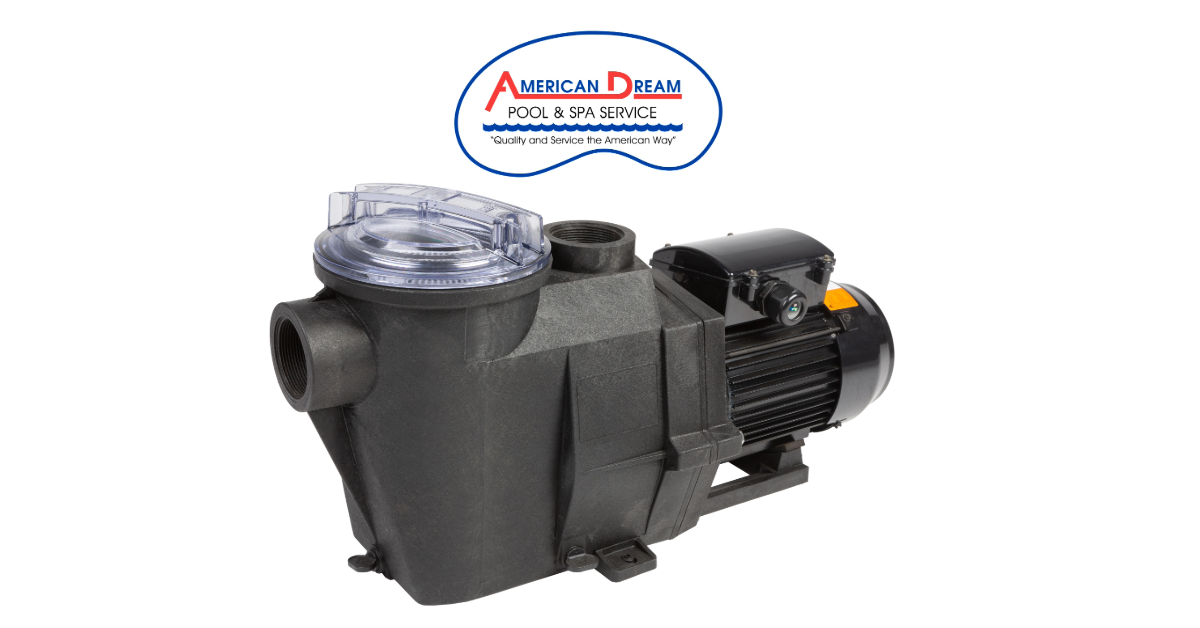
Your pool pump isn’t just for show—it keeps your water moving, which prevents algae, distributes chemicals evenly, and pushes debris into the filter where it belongs. Without proper circulation, your pool turns into a stagnant mess of cloudy water, bacteria, and chemical imbalances. The right run time ensures your water stays clean, balanced, and ready for swimming.
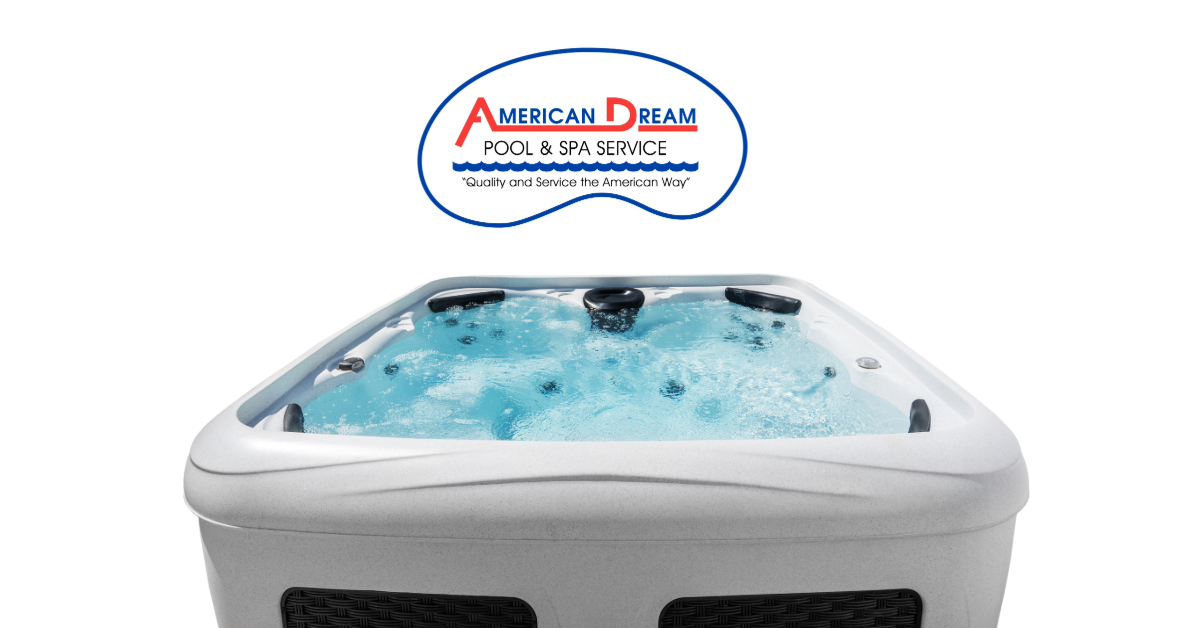
How Often Should You Drain and Refill Your Hot Tub in Northern California?
After a long day, nothing beats the feeling of slipping into your hot tub, letting the warm water soothe your muscles and the jets massage your stress away. But what if that water isn’t as clean as it looks? Many hot tub owners don’t realize that even clear water can be packed with chemicals, bacteria, and buildup from lotions, sweat, and oils. So, how often should you actually drain and refill your hot tub to keep it in top condition? Let’s break it down.

The Truth About Pool Covers: Do You Really Need One in Northern California?
For many pool owners in Northern California, a pool cover might seem like an optional accessory rather than a necessity. After all, the region’s mild winters mean you don’t have to worry about freezing temperatures ruining your pool. But before you dismiss the idea, let’s talk about what a pool cover really does—and whether skipping one is costing you more than you think. Spoiler alert: It probably is.

Cloudy pool water is one of the most common headaches for pool owners in Northern California. One day, your pool is crystal clear, and the next, it looks more like a murky pond. If you've ever struggled with this problem, you're not alone. Cloudy water can be caused by a variety of factors, from chemical imbalances to poor filtration. The good news? It's completely fixable. Here's what you need to know to get your pool water clear again and keep it that way.

How to Prevent Pool Stains and Keep Your Water Crystal Clear in Northern California
Ashley had always prided herself on keeping her pool in top shape. Living in Rocklin, she thought she had everything under control—testing her water regularly, cleaning out debris, and keeping up with her chemical levels. But one morning, she noticed ugly brown stains creeping along her pool walls. Panic set in. She tried scrubbing, adding extra chlorine, and adjusting the pH, but nothing seemed to work. What Ashley didn’t realize was that pool stains can come from a variety of sources, and preventing them takes more than just regular cleaning.
If you don’t want to end up like Ashley, it’s time to learn how to prevent pool stains and keep your water crystal clear, no matter what Northern California’s climate throws at you.

How to Get Your Pool Ready for Spring in Northern California: A Step-by-Step Guide
Spring in Northern California is a time for blooming flowers, warmer weather, and—if you’re a pool owner—getting your pool back in shape after winter. Whether you kept your pool covered or left it open during the colder months, the transition from winter to spring requires some important maintenance steps. Ignoring these steps can lead to murky water, malfunctioning equipment, or unexpected repair costs. If you want a smooth opening for the swimming season, now’s the time to act.

Why Your Pool Water Evaporates and How to Prevent It
Northern California’s climate is known for its hot summers, dry air, and occasional strong winds. While these conditions make owning a pool a great way to stay cool, they also contribute to one frustrating problem—water evaporation. Many pool owners notice their water levels dropping and assume there’s a leak, but in reality, the culprit is often natural evaporation. Understanding why this happens can help you take action to slow it down and save money on water bills.

How to Prepare Your Pool for Heavy Rainfall in Northern California
Northern California’s weather can be unpredictable, and when heavy rains roll in, your pool takes the hit. While rain might seem harmless, it can wreak havoc on your pool's water chemistry, flood your filtration system, and introduce debris that turns your pool from crystal clear to a murky mess. If you want to avoid costly repairs and extra maintenance, taking a few preventive steps before the rain starts pouring is your best bet.

The Real Cost of Ignoring Pool Leaks in Northern California
Pool leaks might start small, but they can quickly turn into expensive nightmares for homeowners. Many pool owners in Lincoln, Rocklin, and Roseville brush off minor water loss, assuming it's just evaporation. However, ignoring leaks can lead to higher water bills, structural damage, and costly repairs that could have been avoided. If you own a pool in Northern California, knowing how to spot, prevent, and fix leaks can save you time, money, and major headaches.

Why Pool and Spa Equipment Fails (And How to Prevent It in Northern California)
When Tyler moved into his new home in Rocklin, he was thrilled to have a backyard pool and spa. It was perfect for unwinding after work and entertaining friends on the weekends. But within a year, things started breaking—his pool pump made a grinding noise, the heater stopped working, and his spa’s jets lost their power. Frustrated, Tyler realized he had overlooked something crucial: regular maintenance. What started as small, fixable issues quickly turned into expensive repairs. If you don’t want to find yourself in the same situation, understanding why pool and spa equipment fails can save you time, money, and stress.